ROV Applications

Low-Visibility ROV Inspection for Muddy Water

Low-visibility ROV inspection solution for muddy water, turbid reservoirs, ports, ponds and industrial water sites.

Low-Visibility ROV Inspection for Muddy Water ROV application solution for underwater inspection

Turbid Water / Muddy Water / Sonar Ready

Scenario Overview

Low-visibility ROV inspection solution for muddy water, turbid reservoirs, ports, ponds and industrial water sites.

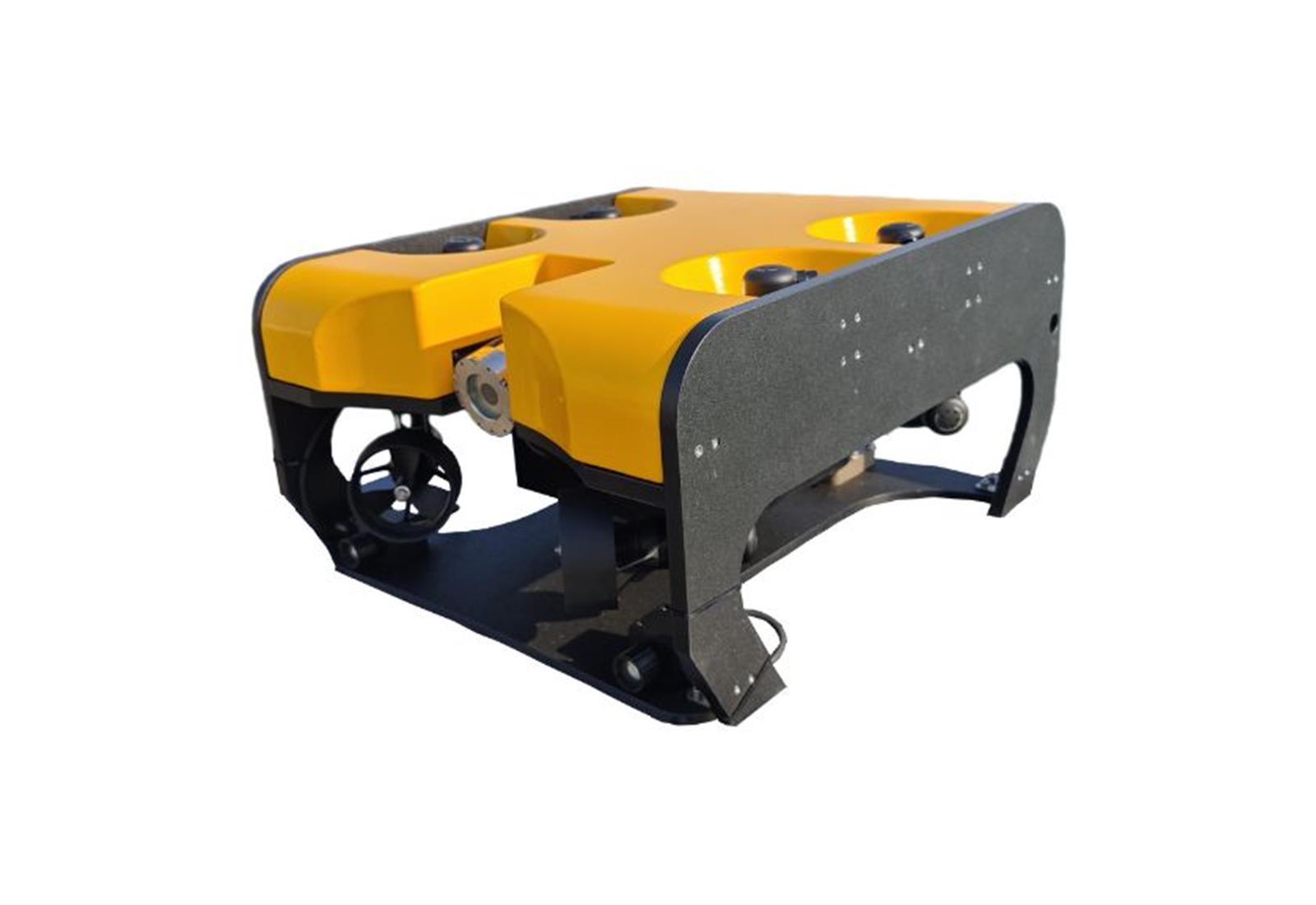
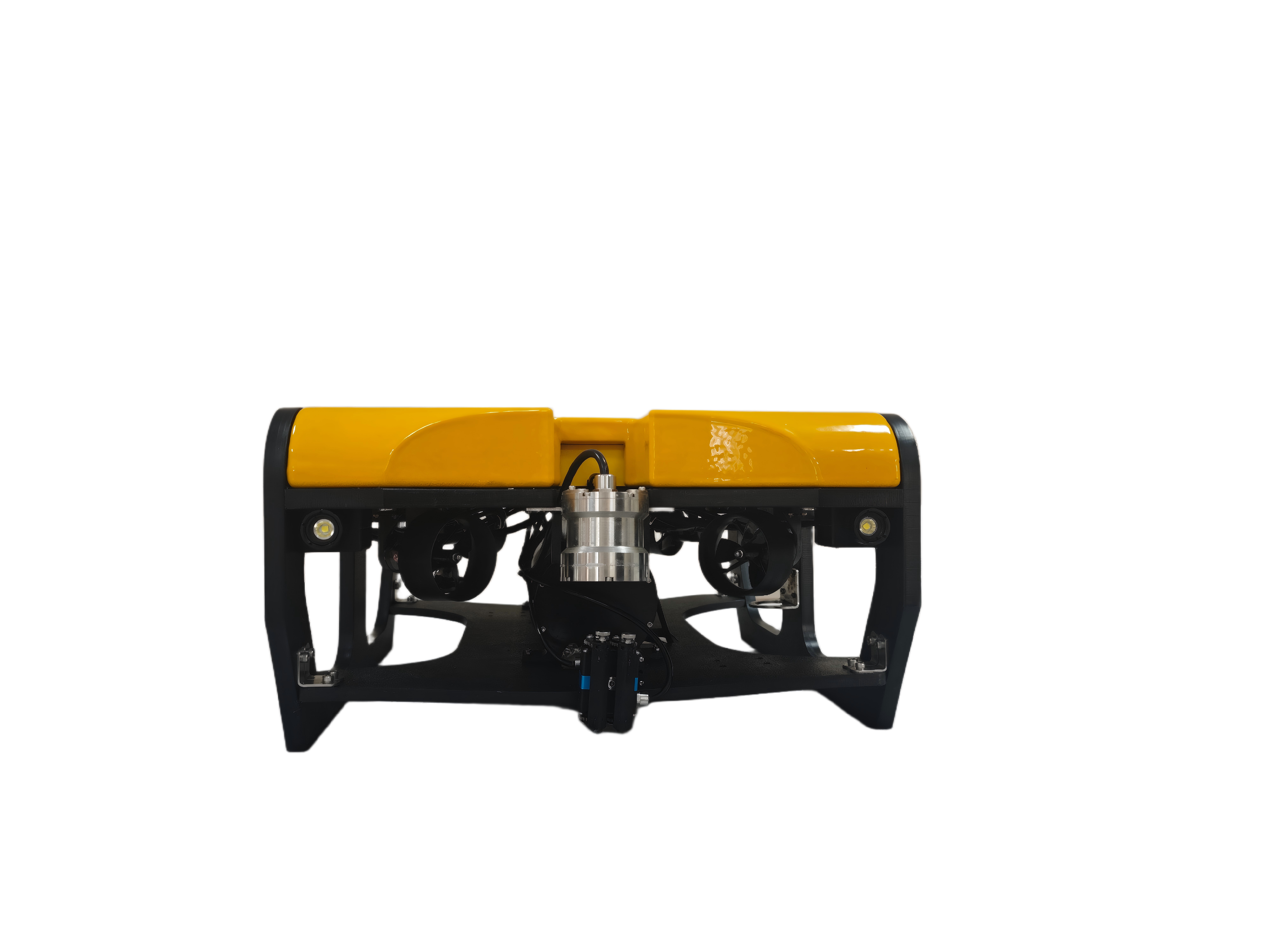
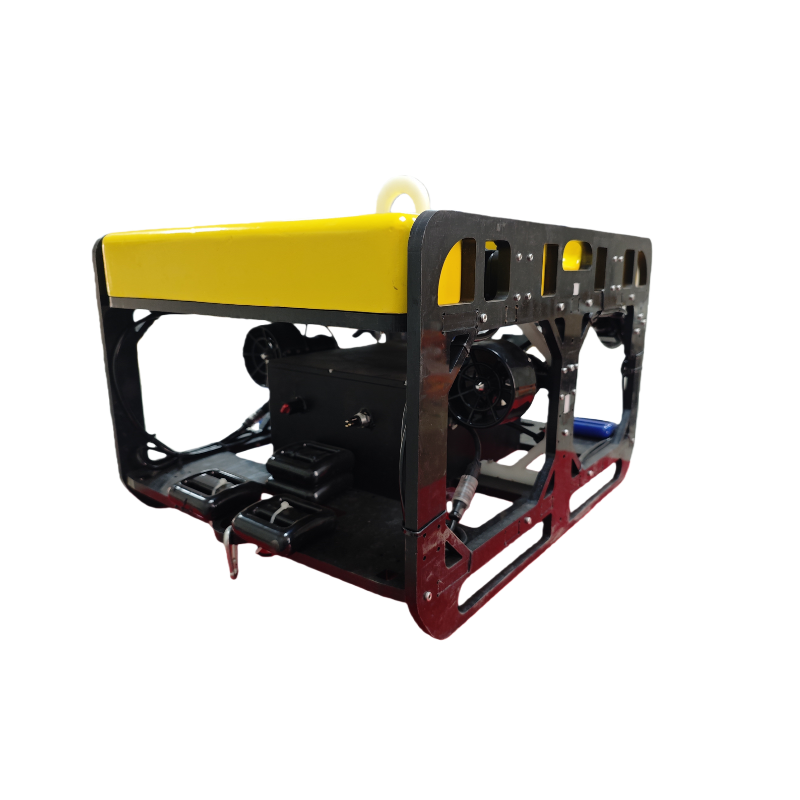
Low-visibility ROV inspection is designed for muddy reservoirs, ports, ponds, rivers and industrial water sites where ordinary camera-only work becomes difficult. The right configuration balances lighting, camera sensitivity, stable movement and optional sonar discussion.
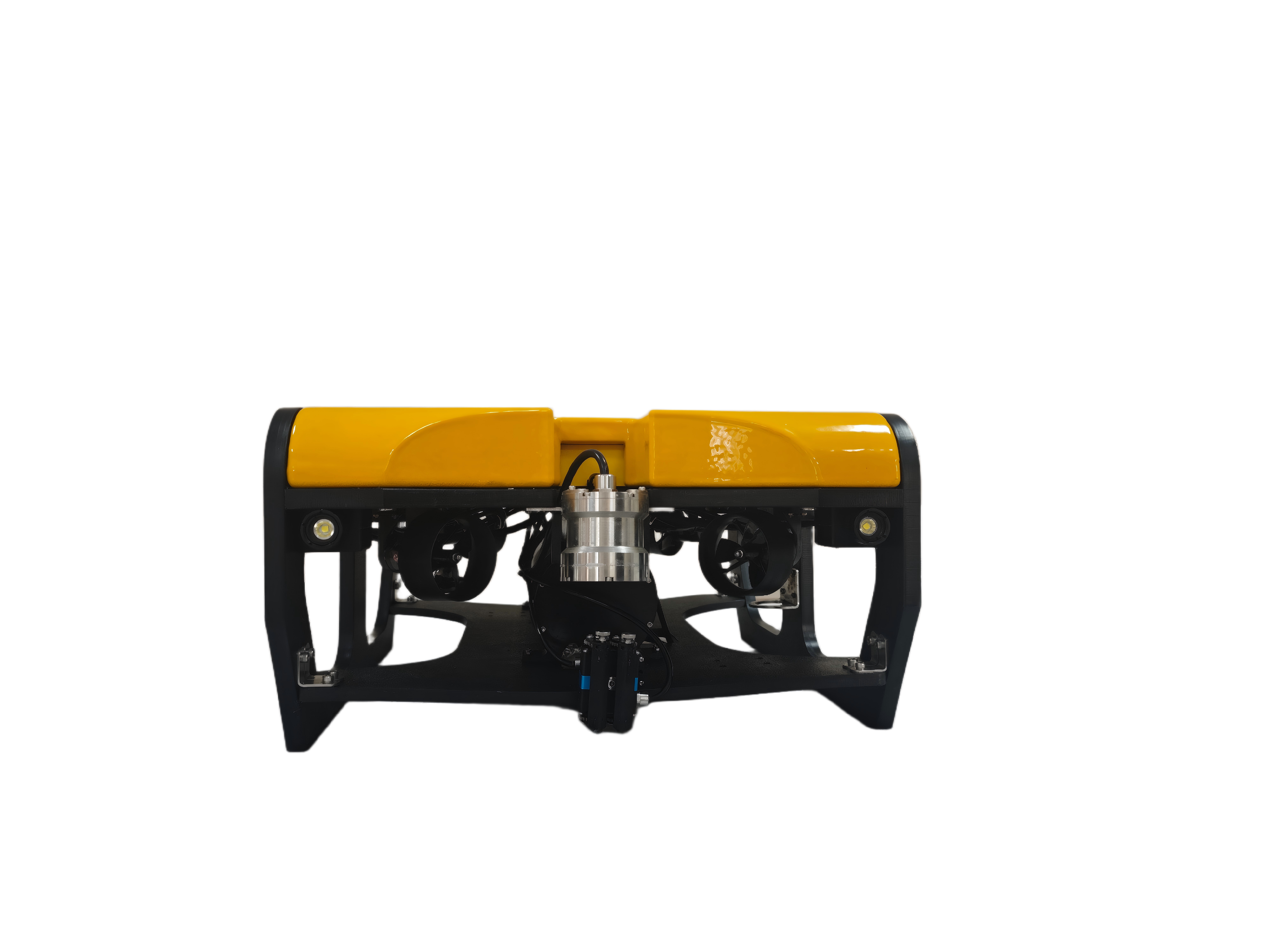
Low visibility ROV inspection for muddy water
Muddy-water inspection needs careful camera, lighting and navigation configuration.

What changes in turbid water

More light is not always the answer because particles can reflect light back to the camera. Buyers should discuss water type, expected visibility range, target size and whether the mission is search, inspection or navigation support.

Recommended configuration

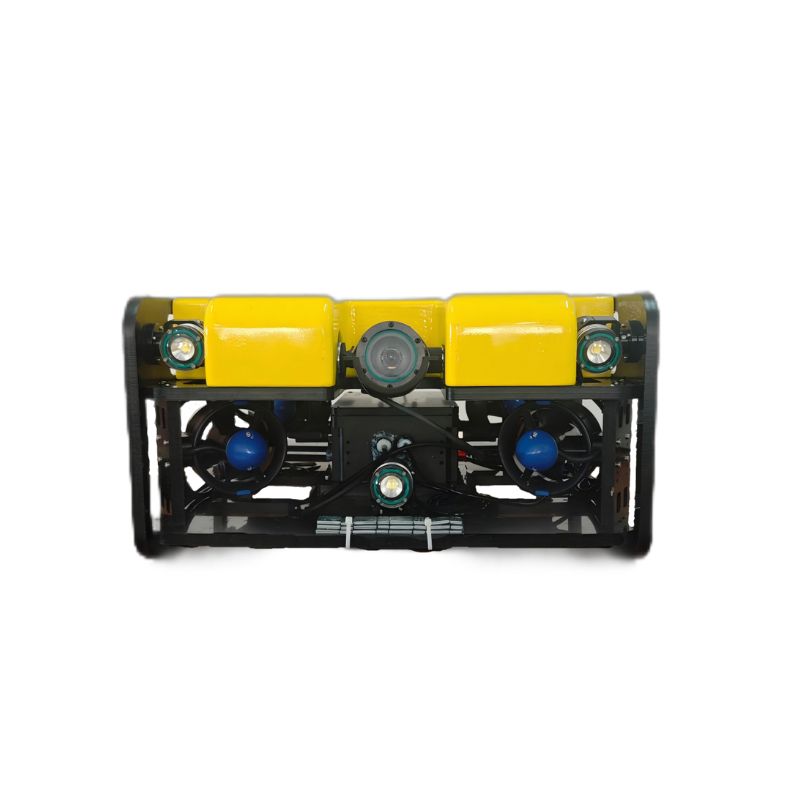
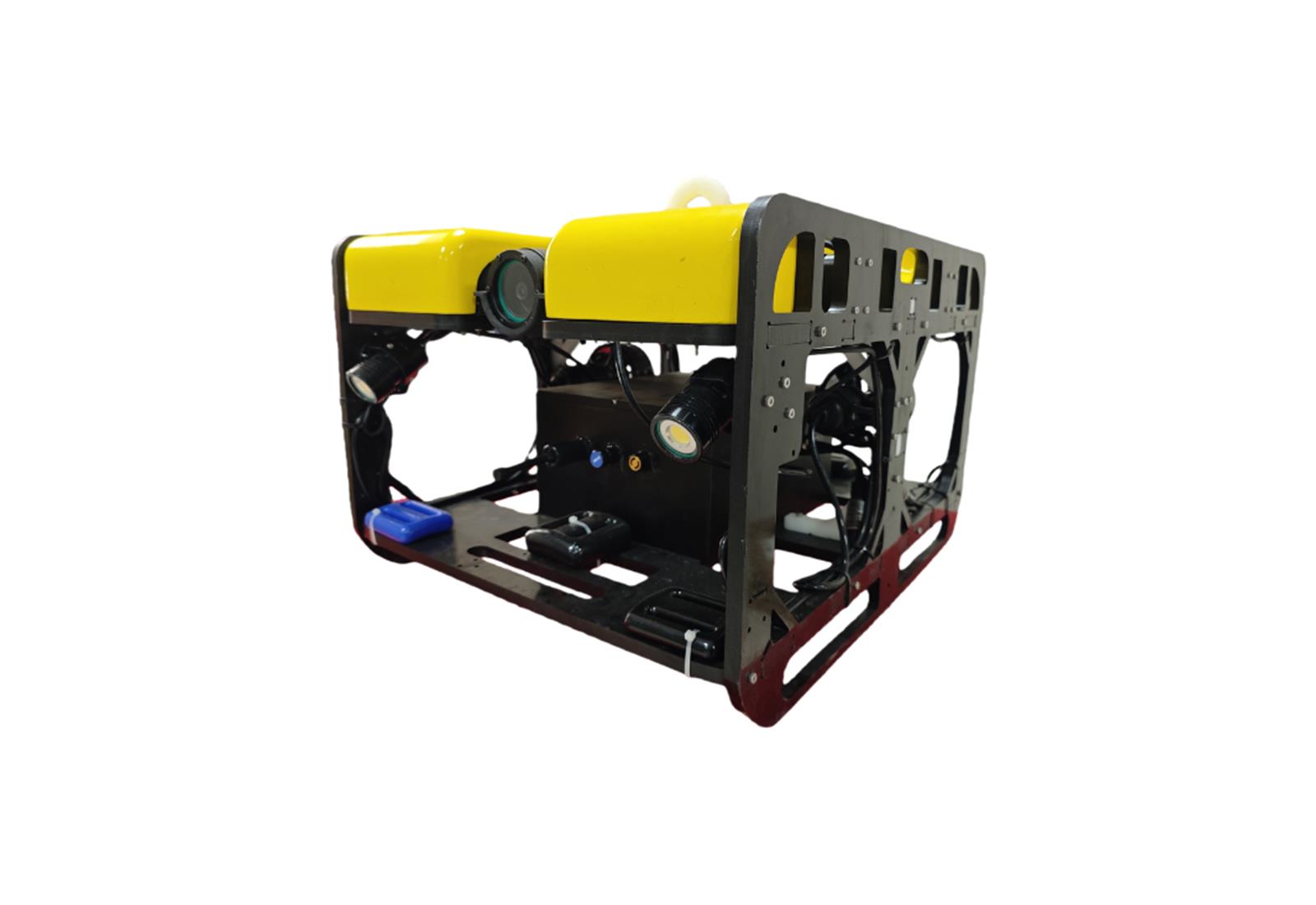
  • Low-light or turbid-water camera option.
  • Adjustable lighting placement.
  • Stable control for slow inspection passes.
  • Scanning sonar ready package when visual range is limited.

Send sample visibility, target object, operating depth and deployment location so ROV123 can suggest a practical package.
Inspection Challenges

Common problems in this underwater operation.

Limited Underwater VisibilityBuyers need repeatable video records before sending divers, stopping equipment or opening a maintenance job.
Unclear Model SelectionDepth, tether, camera, lighting and payload options are easier to confirm when the operating scenario is clearly described.
Commercial Quotation GapProcurement teams need a clear RFQ checklist before comparing supplier quotations and delivery scope.
Distributor ReadinessLocal partners often need OEM material, spare parts and documentation suitable for their market.

Recommended ROV Configuration

Match the underwater robot to the site condition.

Working DepthMaximum depth, normal operating depth and safety margin.
VisibilityWater clarity, lighting needs, camera angle and recording workflow.
DeploymentBoat, dock, cage walkway, shore, reservoir bank or work platform.
PayloadSensor, grabber, cleaning accessory, bracket or custom interface.

RFQ Checklist

Information that improves quotation accuracy.

Where will the ROV be deployed?

Tell us whether it is used from a vessel, dock, cage platform, reservoir bank or fixed work site.

What needs to be inspected?

Target objects can include nets, hulls, pilings, intakes, pipes, tanks, gates, anchors or underwater terrain.

Do you need accessories?

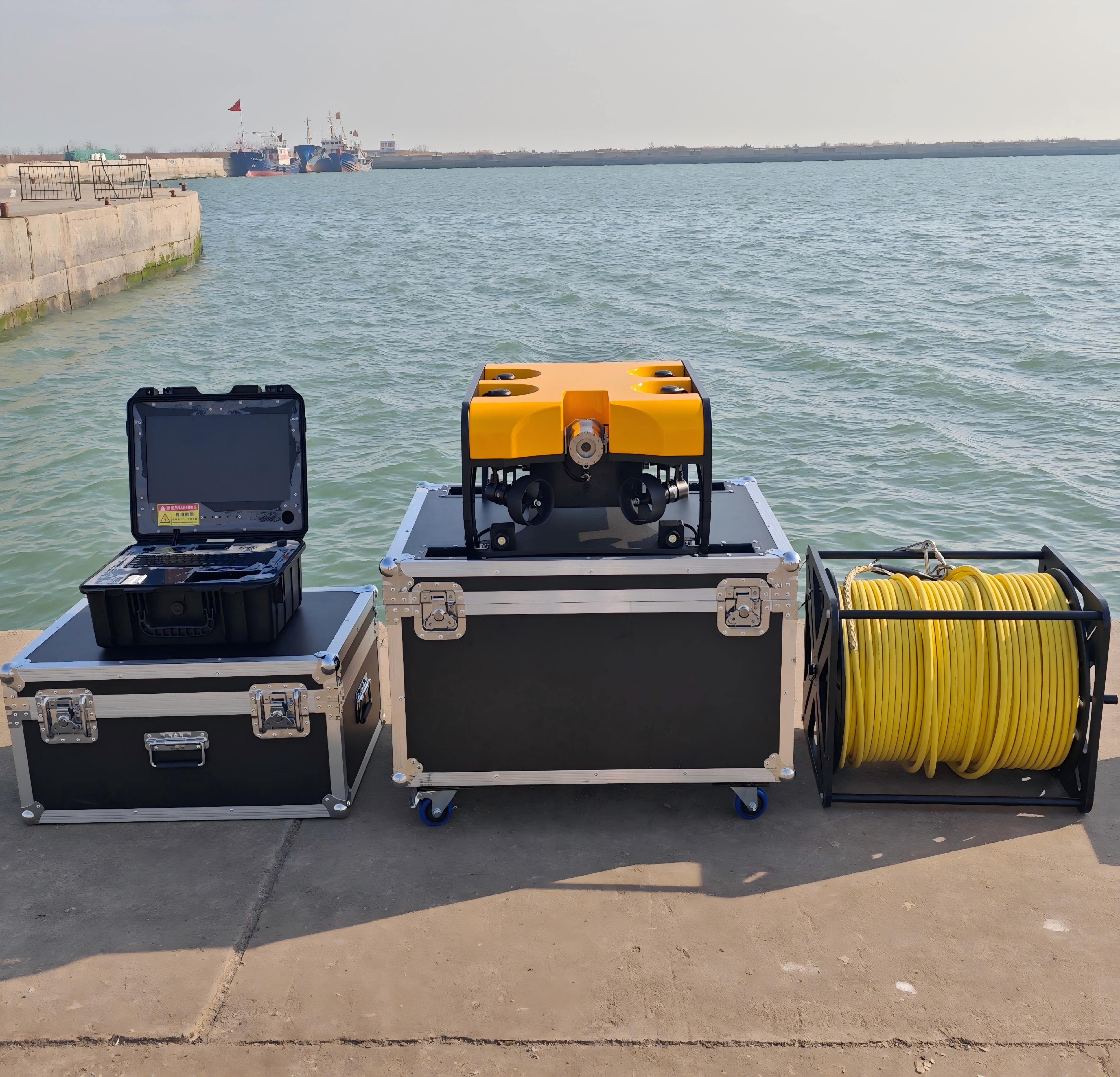
Common options include lighting, extended tether, console package, grabber, sonar, sensor bracket, spare parts and cases.

Is OEM required?

Distributors can discuss logo, color, package, manual, spare parts and local market material.

Need Model Recommendation?

Send scenario details for a practical ROV quotation.

Share this application, working depth, visibility, payload needs and delivery country. ROV123 will recommend a suitable platform and export package.

Send Scenario Details
Email Us WhatsApp Request Quote